Music Technology Hackathon: Build the Future of Creative Tools
Date: 6–7 June 2026
Location: Boston, MA, USA (co-hosted with Berklee)
Context: Immediately following the Berklee AIMS conference





Join us in Boston for a 2-day, hands-on music technology hackathon, right after the Berklee AIMS conference.
This event brings together developers, artists, researchers, product thinkers, and sound obsessives to prototype new tools for music creation, performance and listening. Whether you're a seasoned audio DSP engineer, a web developer, a performer, or a student just getting started in music tech, you're welcome. Participation is open to adults aged 18+ only.
Building on the conversations and research shared at AIMS, teams will have two intense days to turn ideas into working prototypes. Expect a mix of rapid ideation, mentoring, deep focus time, and informal sharing with peers.
You can arrive with a project idea or form a team on site. We'll help match participants into small groups (typically 3–4 people) so that each team has a blend of skills across coding, sound, design, and user experience.
In particular, we are inviting Berklee musicians and artists to play a leading role in teams: bringing artistic visions, defining musical use cases, and shaping what success looks like for each project. Teams will be formed around strong creative directions from Berklee students, alumni, and faculty, then paired with technologists who can help realise those ideas.
Throughout the weekend, mentors from Music Hackspace, Berklee, and industry partners will be available to support you on topics such as audio programming, generative AI, UX for creative tools, and taking research prototypes toward real-world products.
Who Should Join
The hackathon is open to participants from AIMS and the wider Boston community. You don't need prior hackathon experience, only curiosity and a willingness to collaborate.
- Berklee students, alumni, and faculty who want to lead or shape projects as artists
- Producers, performers, and composers looking to prototype new tools and workflows
- Audio and music technologists
- Students and researchers in music, CS, and related fields
- Designers, product managers, and UX researchers
- Anyone excited about building tools for music
You don't need to code to be central to a team. We're explicitly looking for Berklee musicians and artists to act as creative leads, defining problems, curating sounds and workflows, and guiding the product vision.
We'll help you find a team that matches your interests and skills so you can focus on building something meaningful over the weekend.
Challenges
Google DeepMind Challenge
Build and play your own live AI instruments with Magenta RealTime 2
What teams can build
How to Get Started
Ableton Challenge

Build a creative music product that could launch in Ableton Live
What teams can build
How to Get Started
MuseHub Challenge
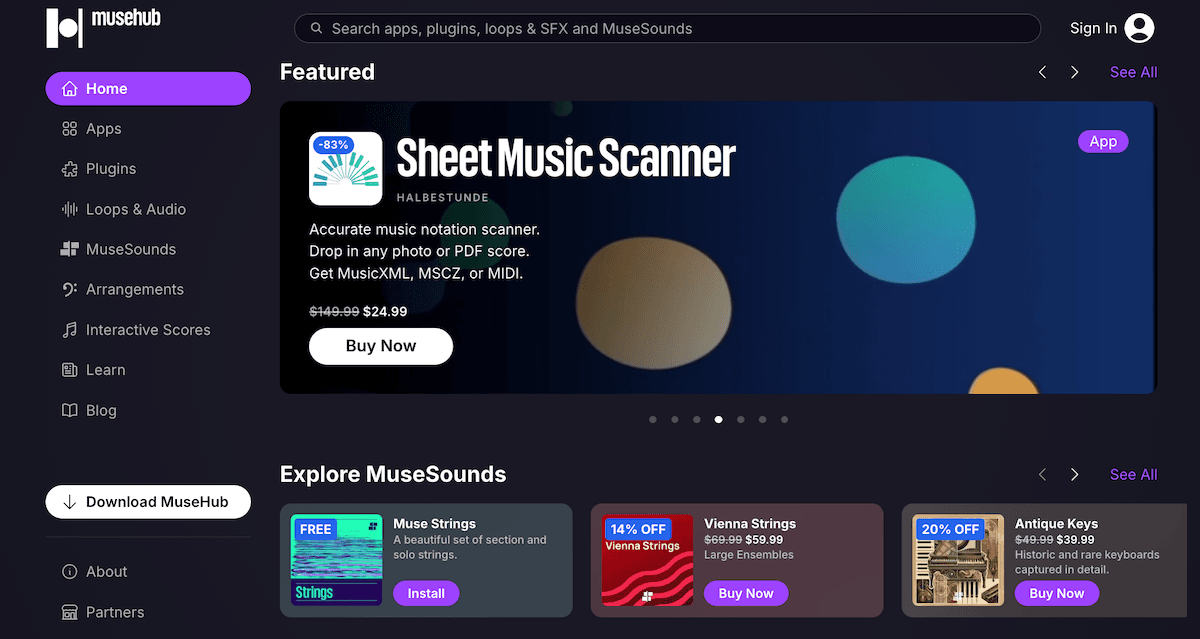
Build a creative music product that could launch on MuseHub
What teams can build
How to Get Started
Audiotool Challenge
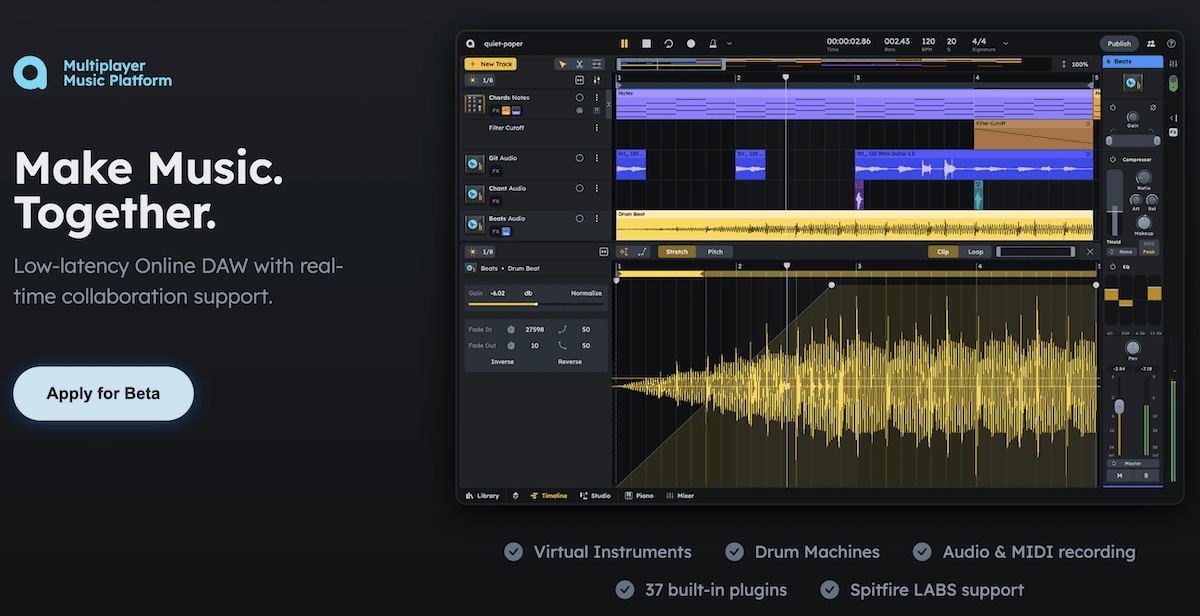
Build a creative music product that could launch on Audiotool
What teams can build
How to Get Started
Themes & Example Projects
Creative Tools for Musicians
- Performance tools that extend instruments on stage
- Composition assistants and idea-generation workflows
- Experimental interfaces for live, collaborative improvisation
From Research to Practice
- Prototyping tools inspired by AIMS research papers
- Bringing MIR / ML models into creators' hands
- Bridging DAWs, plugins, and web-based workflows
Accessibility & Inclusion
- Interfaces for disabled musicians and new audiences
- Tools that lower the barrier to music making
- Collaborative environments for remote or hybrid teams
New Listening Experiences
- Adaptive and interactive listening formats
- Spatial and immersive audio experiments
- Playful tools for discovering music in new ways
Prizes & Opportunities
Recognition & Showcases
A jury including representatives from Berklee, Music Hackspace, and industry partners will select standout projects to highlight. Selected teams may be invited to share their work in follow-up showcases, talks, or blog features.
Pathways Beyond the Weekend
The goal is not just a weekend demo, but to help promising ideas move toward real-world impact—whether as research tools, open-source projects, or commercial products. We'll share opportunities for continuing your work with the broader Music Hackspace and Berklee communities.
Mentoring
Winning teams can receive two mentoring sessions with one of our mentors, to help refine your project and next steps after the hackathon.
Jury
We're excited to welcome Jesse Engel, Jonathan Rochelle, Lillia Betz, Michele Darling, and JB Thiebaut to the jury panel, where they'll evaluate projects across creativity, technical execution, and real-world product potential.
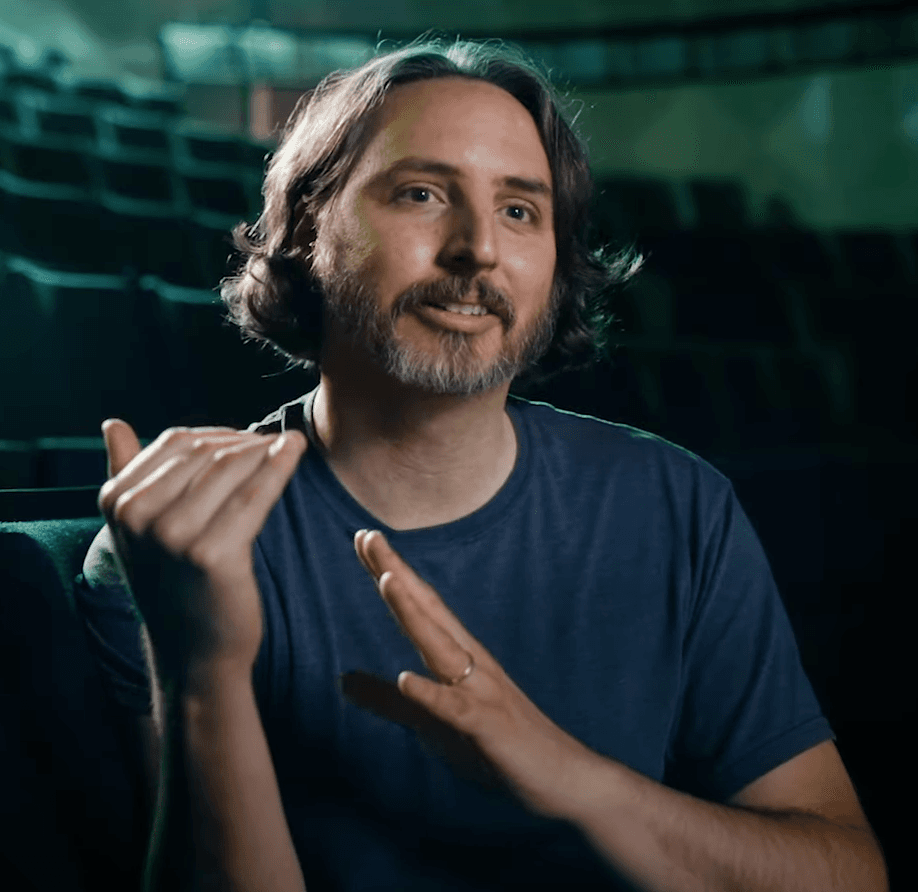
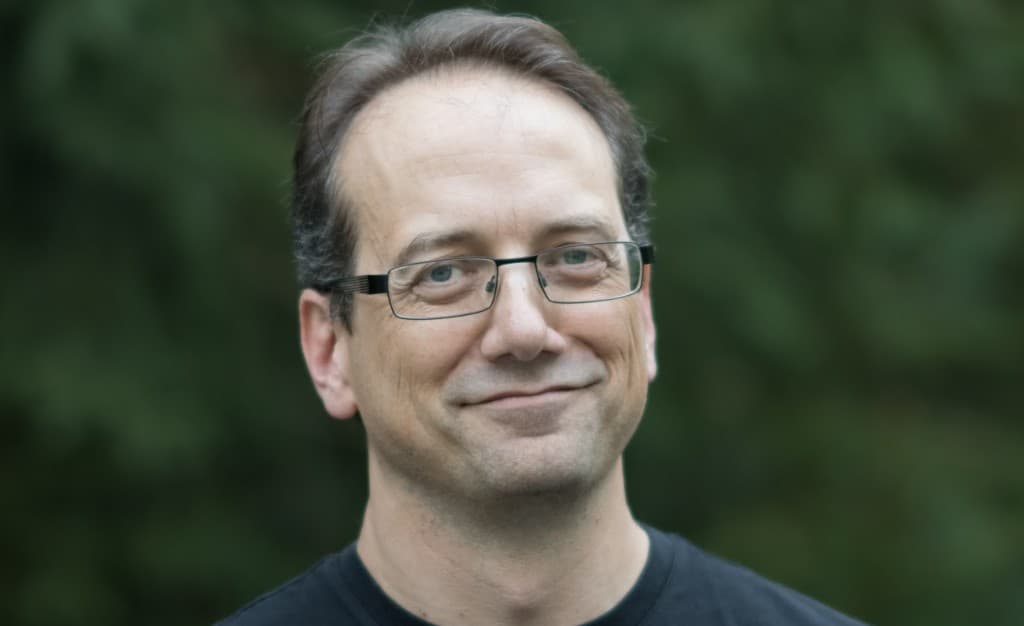
Jesse Engel is a lead research scientist on Magenta, a research project within Google DeepMind exploring the role of machine learning in creative applications. He did his Bachelors and PhD at UC Berkeley, studying the Martian atmosphere and quantum dot nanoelectronics respectively, and a joint postdoc at Berkeley and Stanford on neuromorphic computing. Afterward, he worked with Andrew Ng to help found the Baidu Silicon Valley AI Lab and was a key contributor to DeepSpeech 2. He joined Google Brain in 2016, where his research on Magenta includes creating new generative models for audio, symbolic music, adapting to user preferences, and work to close the gap between research and musical applications. Some of his projects include NSynth, MusicVAE, GANSynth, DDSP, MT3, SingSong, MusicLM, MusicAISandbox, and Lyria RealTime.
Jonathan Rochelle is a product leader and entrepreneur currently building AI-powered music technology at Lutely. He previously led product teams at LinkedIn and Zapier, and earlier at Google he helped shape products including Sheets, Docs, Drive, Forms, Classroom, and Jamboard, bringing collaborative tools to hundreds of millions of people.
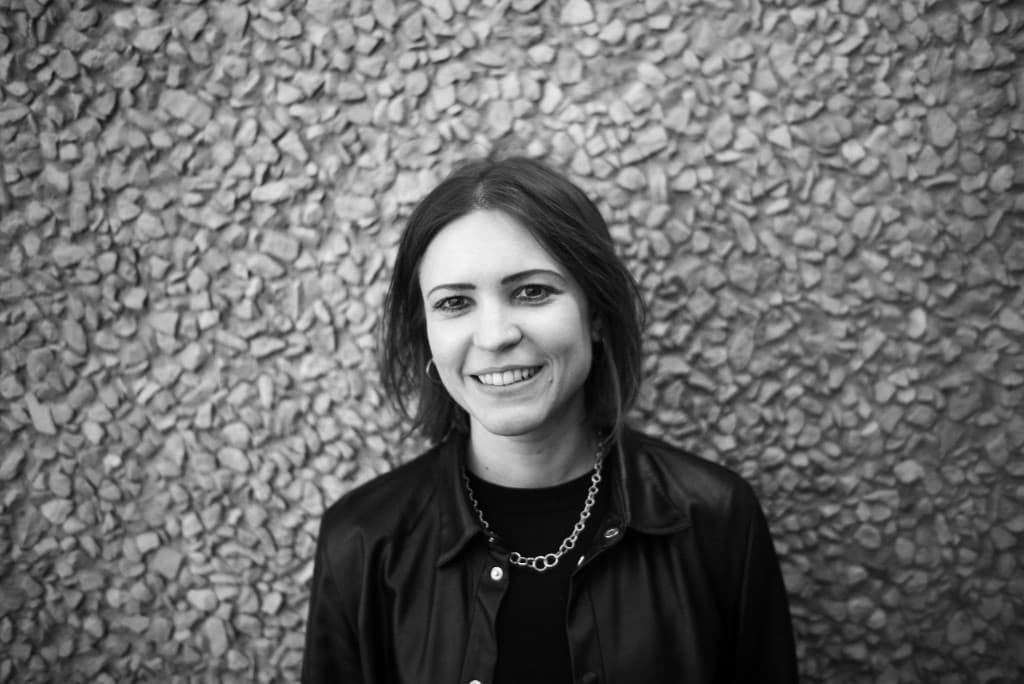
Lillia Betz
Lillia Betz is the Head of AI R&D at Ableton. Originally from France and with a background in classical music education, she earned a degree in Electronic Production and Design at Berklee College of Music. Having worked as a freelancer in Los Angeles, she joined Ableton ten years ago, where she became Head of Max for Live. In her current position, she continues to drive innovation, focusing on AI’s positive impact on artists and the creative process.

Michele Darling is the chair of the Electronic Production and Design Department at Berklee College of Music. An accomplished sound designer, composer, recording engineer, and educator, she brings a unique combination of professional experience and passion for electronic music and sound design to our jury panel. Darling worked for many years as part of an Emmy Award–winning production team at Sesame Workshop, composing music and creating sound design for Muppets characters. Her career includes sound work for animated television shows such as Pokémon and Yu-Gi-Oh!. She is also a founding member of Aerostatic, composing audio environments for films, installations, and music performances featured in galleries and festivals worldwide.
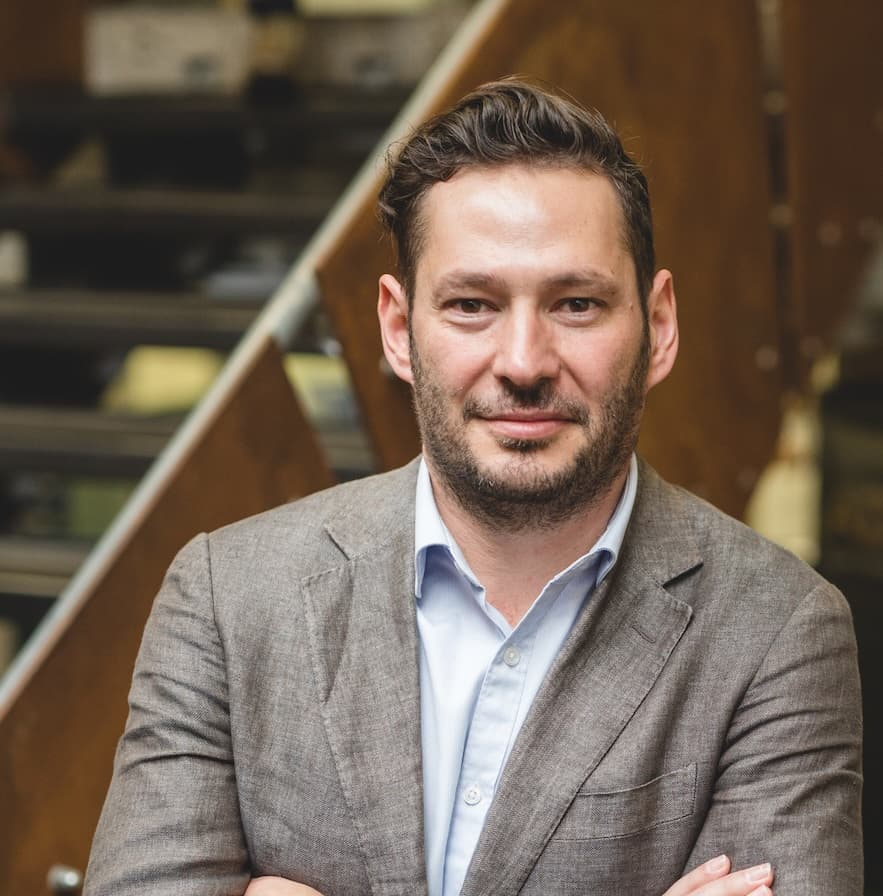
Jean-Baptiste "JB" Thiebaut is CEO of Music Hackspace and Chordline Ventures. He holds a PhD in computer music from Queen Mary University of London and built a career bridging R&D, product, and community in music technology. He has led programmes and teams focused on creative coding and music technology education, supporting thousands of artists and developers to ship new tools, prototypes, and products. His work sits at the intersection of research, hands-on making, and ecosystem building across the global music tech community.
Mentors
Our mentors will be on hand during the hackathon to help you with product direction, creative decisions, and turning ideas into compelling demos — and selected winners can book follow-up sessions with them after the event (see Prizes & Opportunities).
Jesse Engel is a lead research scientist on Magenta, a research project within Google DeepMind exploring the role of machine learning in creative applications. He did his Bachelors and PhD at UC Berkeley, studying the Martian atmosphere and quantum dot nanoelectronics respectively, and a joint postdoc at Berkeley and Stanford on neuromorphic computing. Afterward, he worked with Andrew Ng to help found the Baidu Silicon Valley AI Lab and was a key contributor to DeepSpeech 2. He joined Google Brain in 2016, where his research on Magenta includes creating new generative models for audio, symbolic music, adapting to user preferences, and work to close the gap between research and musical applications. Some of his projects include NSynth, MusicVAE, GANSynth, DDSP, MT3, SingSong, MusicLM, MusicAISandbox, and Lyria RealTime.
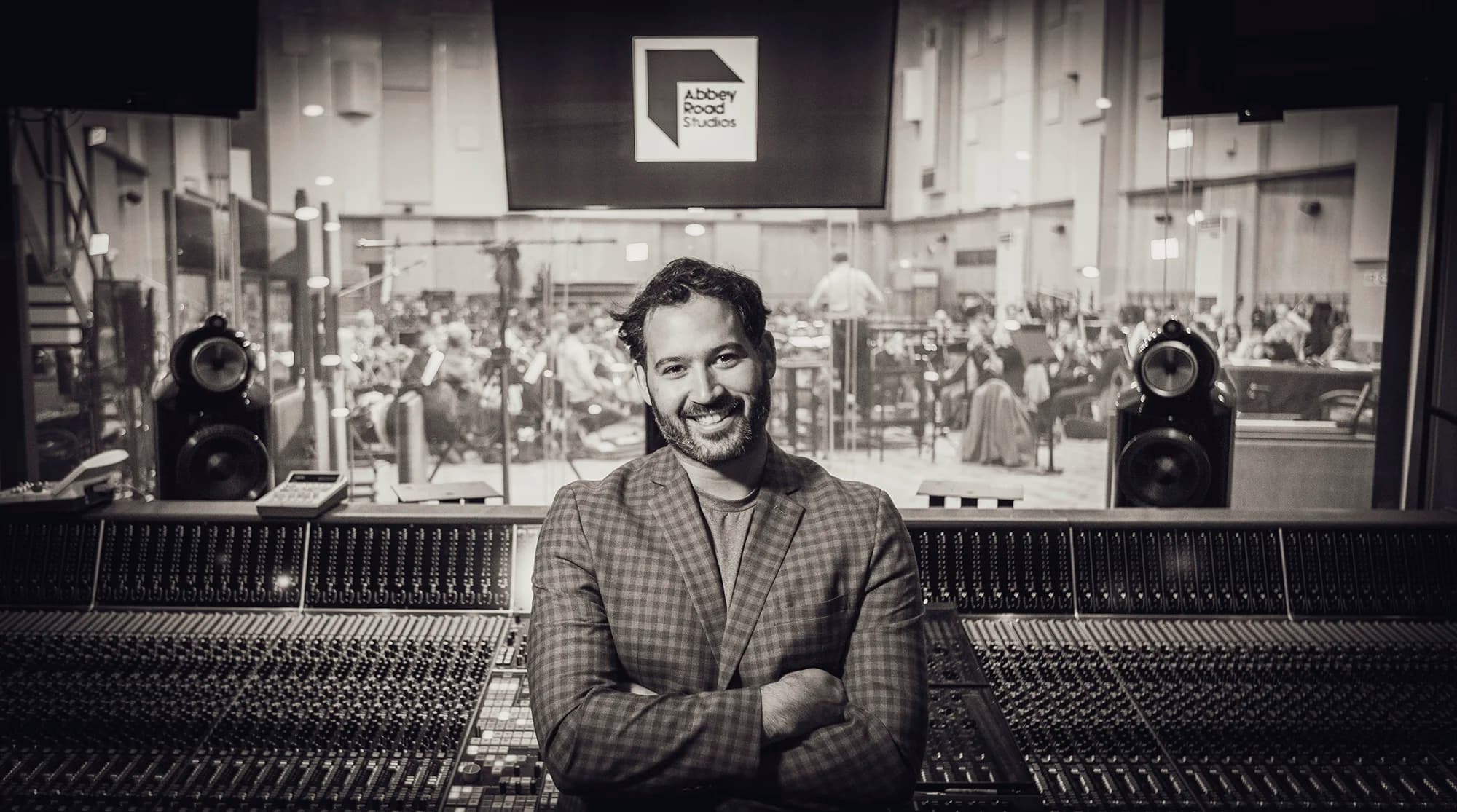
Lucas Cantor Santiago is a composer, producer, multi-instrumentalist, and author. He completed Schubert's Unfinished Symphony with AI, and his work has been performed and featured across major platforms including the Olympics and Super Bowls—alongside winning two Emmys (2008 and 2012). He also invests in music technology as a founder and General Partner at Mindset Music Tech.
Jonathan Rochelle is a product leader and entrepreneur currently building AI-powered music technology at Lutely. He previously led product teams at LinkedIn and Zapier, and earlier at Google he helped shape products including Sheets, Docs, Drive, Forms, Classroom, and Jamboard, bringing collaborative tools to hundreds of millions of people.
Schedule at a Glance
Day 1 – Saturday 6 June
- Welcome, introductions and overview of the hackathon
- Team formation and idea pitches, with a special focus on concepts led by Berklee musicians and AIMS participants
- Hacking sessions with mentor support
- Evening check-in and informal demos
Day 2 – Sunday 7 June
- Final hacking sprint and polishing
- Public demos and jury presentations
- Feedback, awards, and next steps
Exact times and room locations will be announced closer to the event and shared with all registered participants.
How to Take Part
Capacity is limited. To help us plan teams and logistics, please register using the form. We'll follow up with details on how to confirm your spot, what to bring, and how to prepare.
If you're presenting at AIMS or bringing existing research, you're very welcome to build on that work during the hackathon.
In the registration form you'll be able to tell us if you're a Berklee musician or artist and whether you'd like to act as a "creative lead" for a team. We'll use this to prioritise forming teams around strong artistic ideas and to match you with developers and technologists.
Preparation meetings (open to everyone)
We're hosting weekly online prep sessions before the Boston hackathon.
Join a prep call to meet other participants, get clarity on the challenges and format, and start forming teams early so you can spend more time building during the event weekend.
- Wednesday 29 April 2026 at 4:00 PM UK timeCreate account / login to register
- Wednesday 6 May 2026 at 4:00 PM UK timeCreate account / login to register
- Wednesday 13 May 2026 at 4:00 PM UK timeCreate account / login to register
- Wednesday 20 May 2026 at 4:00 PM UK timeCreate account / login to register
- Wednesday 27 May 2026 at 4:00 PM UK timeCreate account / login to register
- Wednesday 3 June 2026 at 4:00 PM UK timeCreate account / login to register
By registering, you agree to our privacy policy.
Co-Hosts

This event is organised by Music Hackspace in collaboration with Berklee, as a practical, hands-on complement to the AIMS conference.
Sponsors
Premium Challenge Sponsor
Gold Sponsor
Silver Sponsors
Special thanks to our sponsors for making this hackathon possible. See the Challenges section above for full details on each track.
Community Sponsors